IMLab Alumni
Quick Links
Postdoctoral Researchers
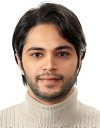
Ijaz Ul Haq
Research Fellow and Lab Coordinator at SMILES Lab, University of Michigan
hijaz3797@gmail.com
 Google Scholar
  Linkedin
  Ijaz-Haq-2
 Ijaz Ul Haq received his Bachelor’s degree in Computer Science from Islamia College Peshawar, Pakistan, in 2016, and an M.S. leading to Ph.D. degree from Sejong University, Seoul, Republic of Korea, in 2022. He is currently serving as a Research Fellow and Lab Coordinator at the Secure Modeling and Intelligent Learning in Engineering Systems (SMILES) Lab, University of Michigan. His research interests include machine learning and intelligent systems for engineering applications.
Further details are available here.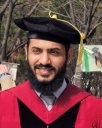
Amin Ullah
Senior Machine Learning Engineer at Boeing Research & Technology Software, Seattle, WA, USA
https://iaminullah.com/
Google Scholar Amin Ullah is a Senior Machine Learning Engineer at Boeing Research & Technology Software, Seattle, WA, USA. He earned his Ph.D. from the Intelligent Media Laboratory (IMLab) at Sejong University, South Korea, under the supervision of Prof. Sung Wook Baik. His research and development interests include computer vision and machine learning, with experience spanning novelty detection, generative-model-based neural network generation, uncertainty analysis in object segmentation, smart-city AI, autonomous driving, and person re-identification.
Further details are available here.Ph.D. Students
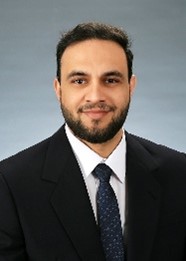
Muhammad Munsif received his Ph.D. degree in Software Convergence from Sejong University, Seoul, South Korea. He has been a Research Assistant at the Intelligent Media Laboratory (IM Lab), Sejong University. His research interests include computer vision, video analytics, multimodal and multi-view action recognition, and intelligent systems.. He is currently in the InnoCORE Postdoctoral Fellowship Track at Ulsan National Institute of Science and Technology (UNIST), South Korea.
Further details are available here.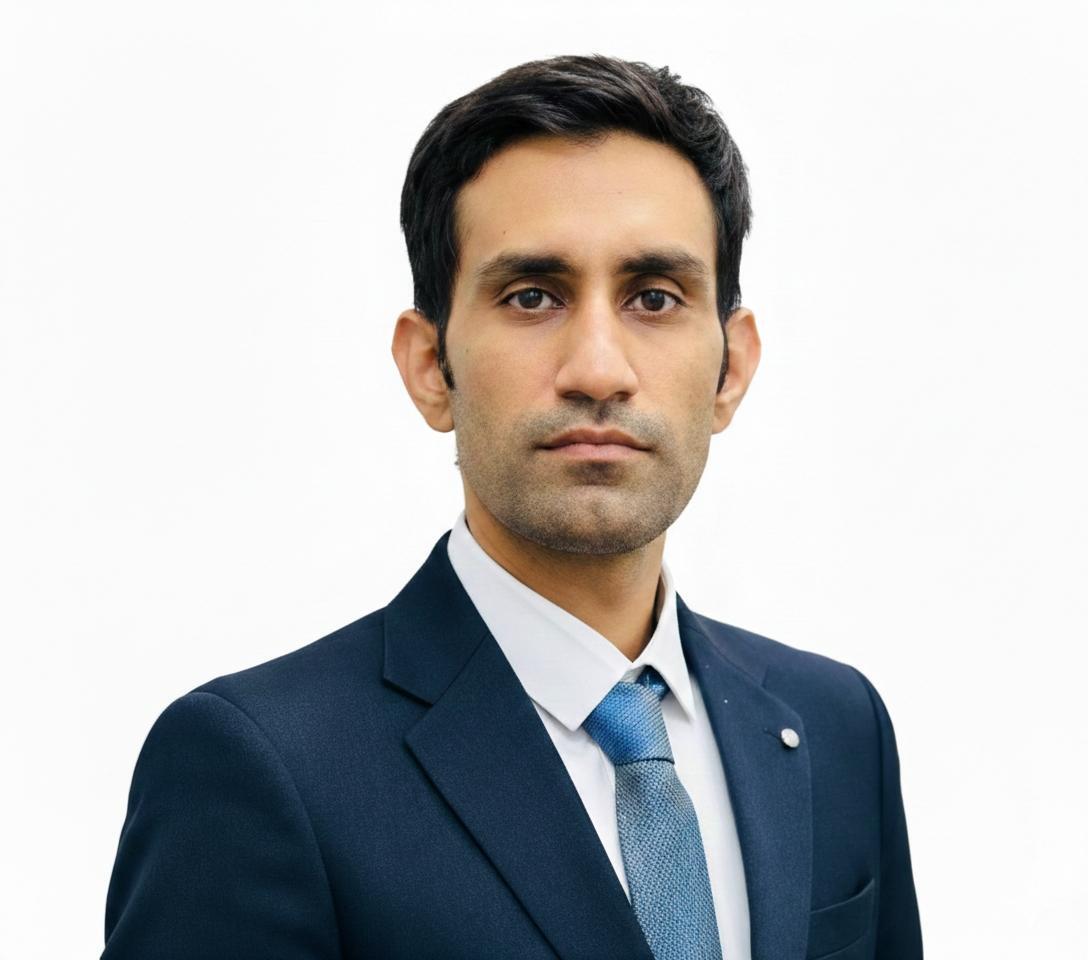
Altaf Hussain
InnoCORE Postdoctoral Fellowship Track, Korea Advanced Institute of Science and Technology (KAIST), Daejeon, South Korea
Google Scholar
Linkedin Altaf Hussain received his Ph.D. degree in Software Convergence from Sejong University, Seoul, South Korea. He conducted his doctoral research at the Intelligent Media Laboratory (IM Lab), Sejong University. His research interests include computer vision, deep learning, action and activity recognition, surveillance video analysis, spatiotemporal learning, image and video analytics, and energy informatics. He is currently in the InnoCORE Postdoctoral Fellowship Track at Korea Advanced Institute of Science and Technology (KAIST), Daejeon, South Korea.
Further details are available here.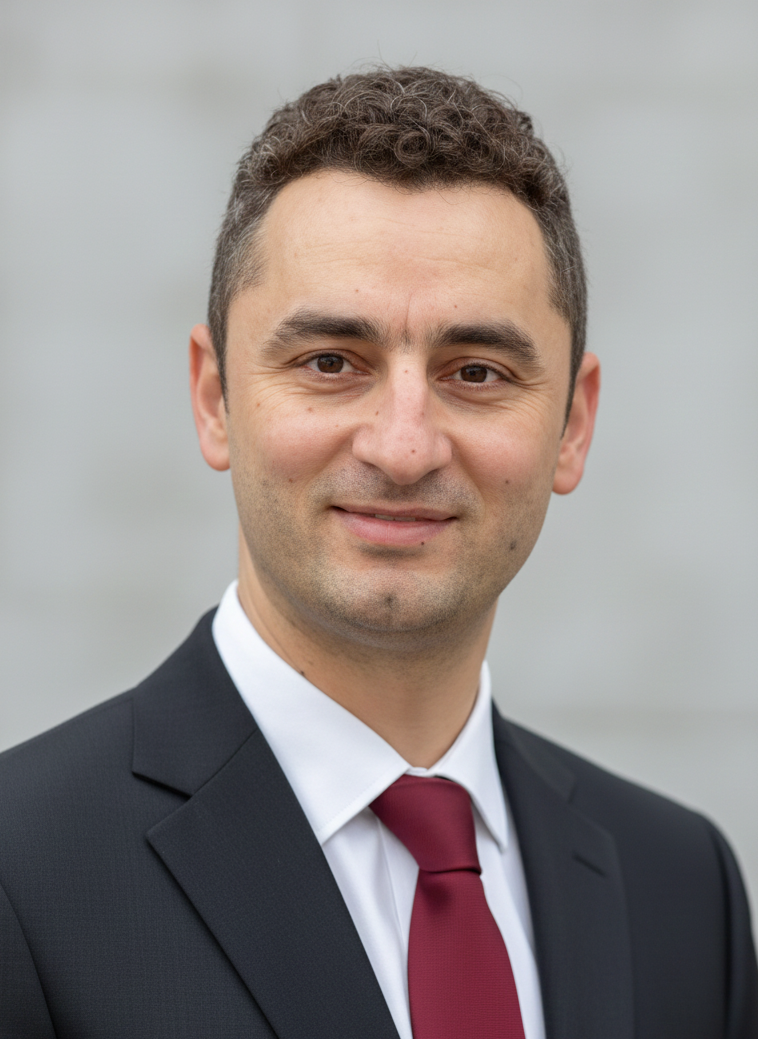
Hikmat Yar
Research Professor at Dongguk University; Postdoctoral Researcher at KAIST InnoCORE PRISM-AI Center
https://iphm.dgu.ac.kr/members/hikmat-yar
 0000-0002-0774-4067
Google Scholar
Linkedin
0000-0002-0774-4067
Google Scholar
Linkedin Hikmat Yar is a Research Professor in the Department of Mechanical, Robotics, and Energy Engineering at Dongguk University, South Korea, and a Postdoctoral Researcher at the KAIST InnoCORE PRISM-AI Center, Korea Advanced Institute of Science and Technology (KAIST), Daejeon, South Korea. He earned his Ph.D. in Fire Disaster Management from the Department of Software, Sejong University, Seoul, South Korea, in 2025. Prior to that, he completed his bachelor’s (2015) and master’s (2019) degrees in Computer Science from Islamia College Peshawar, Pakistan. His research interests include computer vision, deep learning, fire disaster management, population forecasting, and machine anomaly detection.
Further details are available here.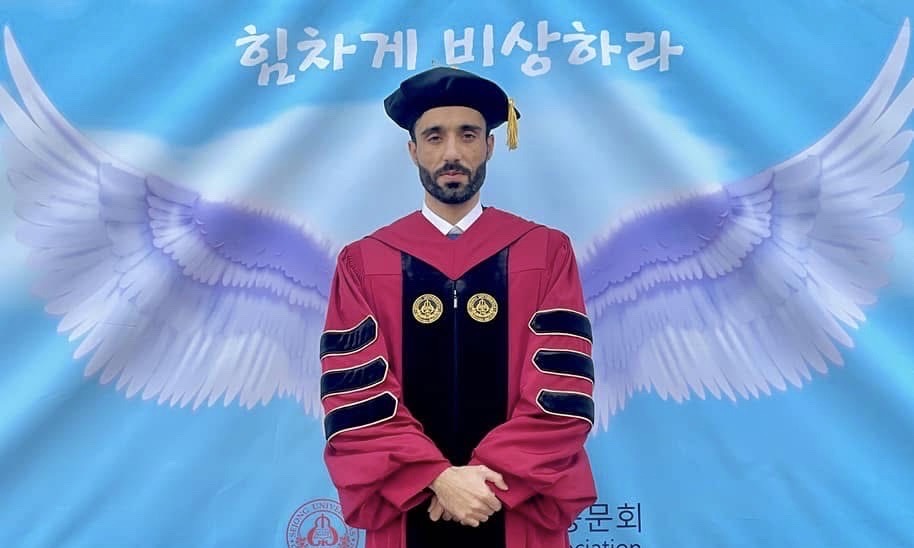
Zulfiqar Ahmad Khan
Postdoctoral Scholar, Umeå University, Sweden (2025)
mzulfiqar3797@gmail.com
Google Scholar
Linkedin
Zulfiqar-Khan-11  zulfiqarahmadkhan
 Zulfiqar Ahmad Khan is a Ph.D. graduate specialized in time-series data analysis, computer vision, and IoT programming. He served as a Coordinator of the Intelligent Media Laboratory (IMLab), where he led a research group and supervised diverse projects. His research focuses on time-series forecasting for smart grid management using statistical, machine learning, and hybrid deep learning models. In computer vision, he has worked on fire detection, object detection, and anomaly recognition using advanced deep learning techniques. He has also explored active, incremental, and federated learning for adaptive and scalable solutions, and applies Explainable AI (XAI) for model interpretability. He is currently a Postdoctoral Scholar at Umeå University, Sweden (2025).
Further details are available here.
Noman Khan
Postdoctoral Scholar, Yonsei University, South Korea (Oct 2024 - Present)
0000-0001-7531-3827
Google Scholar
Linkedin
nomank3797 Noman Khan received his Ph.D. in Software from Sejong University, South Korea (August 2024), and his B.S. in Computer Science from Islamia College Peshawar, Pakistan (August 2018). He is currently a Postdoctoral Scholar at the Esports & High-Performance Human–Computer Interaction Laboratory, Yonsei University, South Korea. His research interests include Artificial Intelligence, Time Series Analysis, and Computer Vision.
Further details are available here.
Dong Keon Yon / 연동건
Assistant Professor, Kyung Hee University College of Medicine (Department of Pediatrics and Digital Health), Korea
https://cdh.khu.ac.kr/
Google Scholar Dong Keon Yon (연동건) is currently an Assistant Professor at Kyung Hee University, Korea, in the Department of Pediatrics and Digital Health, Kyung Hee University College of Medicine. His research interests are centered on digital health and data-driven healthcare. For more information, please visit his lab/center website and Google Scholar profile.
Further details are available here.
Waseem Ullah
Postdoctoral Research Fellow, Mohamed bin Zayed University of Artificial Intelligence (MBZUAI)
Google Scholar
Linkedin
https://www.researchgate.net/profile/Waseem-Ullah-9 Waseem Ullah received his Ph.D. degree from the Department of Digital Contents, Sejong University, Seoul, Republic of Korea (Feb 2023). His research interests include anomaly detection and surveillance video analysis, image processing, bioinformatics, pattern recognition, and medical image analysis. He is currently a Postdoctoral Research Fellow at Mohamed bin Zayed University of Artificial Intelligence (MBZUAI).
Further details are available here.
Samee Ullah
Postdoctoral Fellow, Advanced Research and Innovation Center (ARIC), Khalifa University, Abu Dhabi, UAE
Google Scholar
Samee-Khan-2 Samee Ullah received his Ph.D. in Software Convergence from Sejong University, Seoul, South Korea, in 2023. He is currently a Postdoctoral Fellow at the Advanced Research and Innovation Center (ARIC), Khalifa University of Science and Technology, Abu Dhabi, UAE. His research focuses on multimedia data analysis, person re-identification, industrial anomaly detection, human activity recognition, video summarization, time series analysis, vision–language models, and large language models.
Further details are available here.
Fath U Min Ullah
University Lecturer (Assistant Professor) in Artificial Intelligence, University of Lancashire, Preston, United Kingdom
Google Scholar Fath U Min Ullah received his Ph.D. in Software Convergence from Sejong University, Seoul, South Korea, in 2023. He is currently a University Lecturer (Assistant Professor) in Artificial Intelligence at the School of Engineering and Computing, University of Lancashire, Preston, United Kingdom. Before joining the University of Lancashire, he worked as a KTP Associate – AI Software Engineer (Vision Engineer) at Logically, in collaboration with the University of Sheffield, United Kingdom. He also served as a Leading Researcher and Laboratory Coordinator at the Intelligent Media Laboratory (IMLab), Sejong University. His research interests include Computer Vision, Artificial Intelligence, Vision–Language Models, Large Language Models, Person Re-Identification, Human Activity Recognition, Industrial Anomaly Detection, Video Summarization, Time Series Analysis, and Multimedia Data Analysis.
Further details are available here.
Tanveer Hussain
Lecturer, Edge Hill University, United Kingdom
0000-0003-4861-8347
Google Scholar
Linkedin Tanveer Hussain received his Ph.D. degree in Software Convergence from Sejong University, Seoul, South Korea. He previously worked as a Postdoctoral Research Fellow at the Institute for Transport Studies, University of Leeds, Leeds, UK. He is currently a Lecturer at Edge Hill University, United Kingdom. His major research domains include multimedia data analysis (video summarization), action and activity recognition, saliency detection, scene understanding for autonomous driving, resource-constrained programming, and fire/smoke detection and segmentation.
Further details are available here.Ijaz Ul Haq
Research Fellow and Lab Coordinator at SMILES Lab, University of Michigan
hijaz3797@gmail.com
Google Scholar
Linkedin
Ijaz-Haq-2 Ijaz Ul Haq received his Bachelor’s degree in Computer Science from Islamia College Peshawar, Pakistan, in 2016, and an M.S. leading to Ph.D. degree from Sejong University, Seoul, Republic of Korea, in 2022. He is currently serving as a Research Fellow and Lab Coordinator at the Secure Modeling and Intelligent Learning in Engineering Systems (SMILES) Lab, University of Michigan. His research interests include machine learning and intelligent systems for engineering applications.
Further details are available here.
Tuong Le
Lecturer, Faculty of Information Technology, HUTECH University, Ho Chi Minh City, Vietnam
https://sites.google.com/view/tuonglecung/
Google Scholar Tuong Le received his Ph.D. in Computer Science from Sejong University, South Korea (2017–2020). He is currently a full time Lecturer in the Faculty of Information Technology at HUTECH University, Ho Chi Minh City, Vietnam. His research interests include machine learning, imbalanced learning, deep learning, time series analysis, natural language processing (NLP), and data mining/pattern mining.
Further details are available here.Amin Ullah
Senior Machine Learning Engineer at Boeing Research & Technology Software, Seattle, WA, USA
https://iaminullah.com/
Google Scholar Amin Ullah is a Senior Machine Learning Engineer at Boeing Research & Technology Software, Seattle, WA, USA. He earned his Ph.D. from the Intelligent Media Laboratory (IMLab) at Sejong University, South Korea, under the supervision of Prof. Sung Wook Baik. His research and development interests include computer vision and machine learning, with experience spanning novelty detection, generative-model-based neural network generation, uncertainty analysis in object segmentation, smart-city AI, autonomous driving, and person re-identification.
Further details are available here.
Khan Muhammad
Associate Professor (Tenure-Track) & Lab Director, VIS2KNOW Lab, Department of Applied AI, Sungkyunkwan University, Seoul, Republic of Korea
Google Scholar
Khan_Muhammad7 Khan Muhammad is currently an Associate Professor (Tenure-Track) and Lab Director of the Visual Analytics for Knowledge Laboratory (VIS2KNOW Lab) in the Department of Applied AI, Sungkyunkwan University, Seoul, Republic of Korea. He received an M.S. leading to Ph.D. in Digital Contents from Sejong University, Seoul, South Korea (Mar 2015 – Feb 2019). His thesis was titled: Intelligent Fire Scene Analysis using Efficient Convolutional Neural Networks. He received his B.S. in Computer Science from Islamia College Peshawar, Pakistan (Sep 2010 – 2014), with a thesis on data hiding in images and videos using steganographic techniques.
Further details are available here.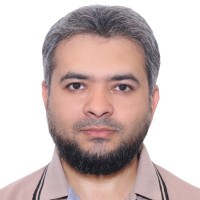
Jamil Ahmad
Postdoctoral Researcher, Department of Computer Vision, Mohamed bin Zayed University of Artificial Intelligence (MBZUAI), Abu Dhabi, UAE
Google Scholar
Jamil-Ahmad-13 Jamil Ahmad is affiliated with United Arab Emirates University (UAEU) and received his Ph.D. in Computer Science from Sejong University, Seoul, South Korea, where his research focused on visual content representation using CNNs for image retrieval applications. He is currently a Postdoctoral Researcher in the Department of Computer Vision at Mohamed bin Zayed University of Artificial Intelligence (MBZUAI), working on real-time computer vision systems for UAV-based precision agriculture and UAV-edge deployment.
Further details are available here.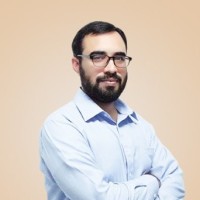
Irfan Mehmood
Associate Professor in Business Analytics, University of Bradford, United Kingdom
Google Scholar
Linkedin Irfan Mehmood is an Associate Professor in Business Analytics at the University of Bradford, bringing extensive experience across academia and the IT industry. His research is centered on generative AI, focusing on its transformative potential for businesses while addressing the challenges it introduces. With expertise in data-driven decision-making, machine learning, and AI, his work spans applied AI, predictive analytics, and AI-driven automation, helping organizations optimize operations, enhance decision-making, and drive innovation.
Further details are available here.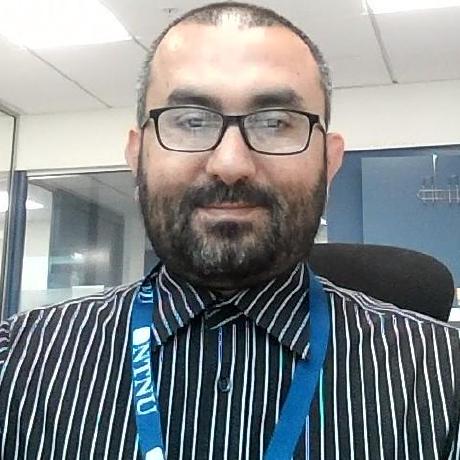
Muhammad Sajjad
Associate Professor, Department of Computer Science, Islamia College Peshawar, Pakistan
Google Scholar Muhammad Sajjad is an Associate Professor in the Department of Computer Science at Islamia College Peshawar, Pakistan. His research focuses on Multimedia Analytics, Computer Vision, Healthcare AI, Meta Learning, and Vision-LLMs. His current work includes Vision Transformers, diffusion models, and multimodal LLMs, as well as video analytics (action recognition and content-based retrieval), medical image analysis (including brain tumor classification), and computer vision applications for precision agriculture.
Further details are available here.
Naveed Ejaz is currently a Researcher at Queen’s University, Canada.
Further details are available here.
Jeong Jung Lee (이정중) is currently at Lotte World, Seoul, Korea.
Further details are available here.Su Mi Ji (지수미) is currently at MARVRUS, Korea.
Further details are available here.Jun Young Jang (장준영) received his Ph.D. degree from Sejong University, Seoul, South Korea, in 2008.
Further details are available here.Master Students
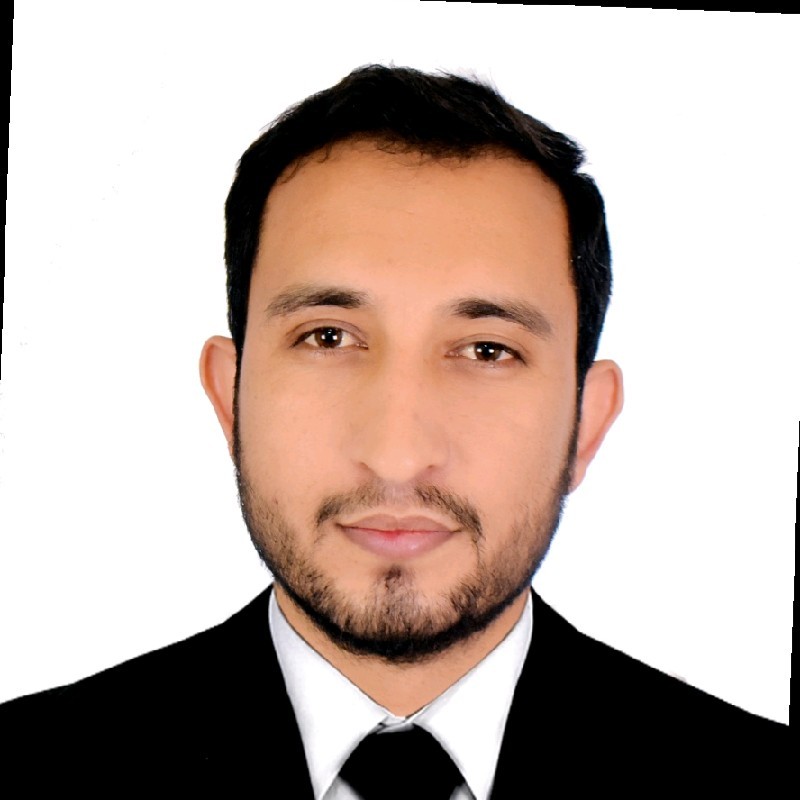
Mohibullah received his bachelor’s degree in Computer Science from Abdul Wali Khan University, Mardan, Pakistan. He earned his M.S. degree from Sejong University, Seoul, South Korea.
Further details are available here.
Waqas Ahmad received his Master’s degree from Sejong University, Seoul, South Korea.
Further details are available here.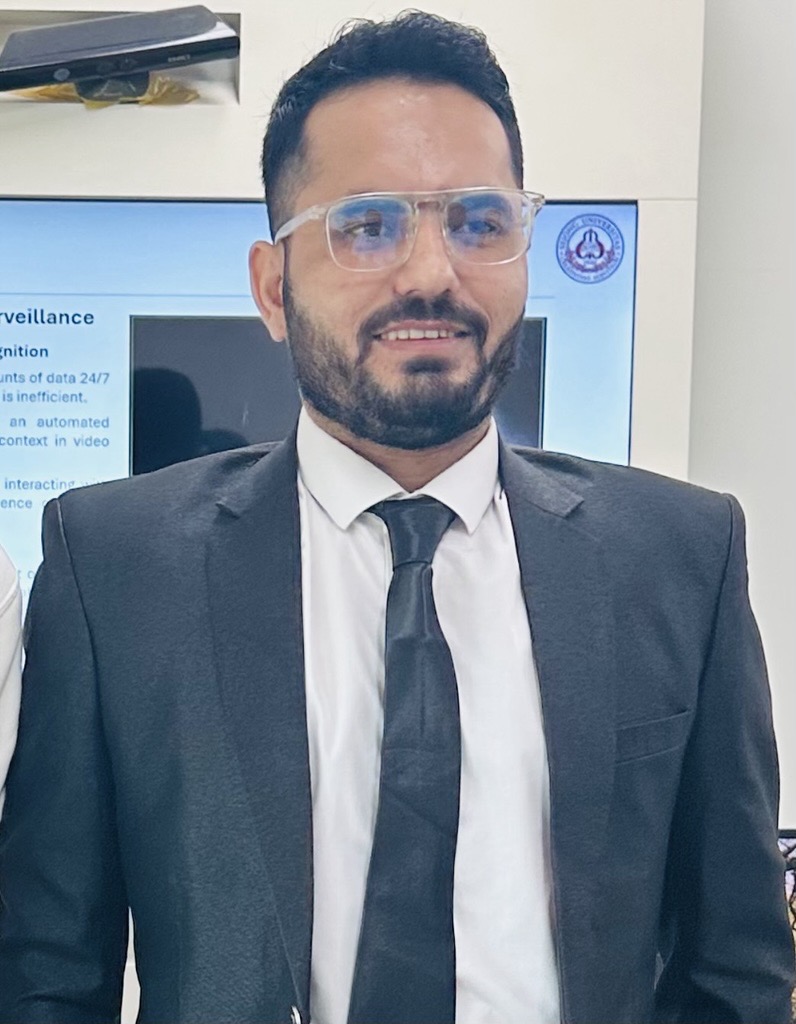
Amjid Ali received his B.S. degree from Islamia College Peshawar. He earned his M.S. degree from Sejong University, Seoul, South Korea, and is currently an AI Developer at Voltaon, Korea.
Further details are available here.
Habib Khan
AI Researcher and Coordinator at CIP Research Network, Gachon University, South Korea
Google Scholar
Linkedin Habib Khan received his M.S. degrees from Sejong University, Seoul, South Korea. He also holds a B.S. degree in Computer Science from Islamia College University, Peshawar. He is currently working as an AI Researcher and Coordinator in the CIP Research Network at Gachon University, South Korea. His research interests broadly include Machine Learning and Deep Learning, with a particular focus on Visual Intelligence in Surveillance, Saliency Detection, AI in Healthcare, Video Analytics, Fire Detection, Segmentation, Cybersecurity, and Underwater Robotics.
Further details are available here.
Umair Haroon received his Master’s degree in Software Convergence from Sejong University, Seoul, South Korea. He is currently working as a Predoctoral Researcher at the Department of Mathematics and Computer Science, University of Barcelona, Spain. His Ph.D. research focuses on 3D reconstruction and volume estimation using food and nutrition data. His work involves advanced computer vision techniques including Point Clouds, Neural Radiance Fields (NeRF), Structure from Motion (SfM), and other 3D reconstruction methodologies to improve object volume estimation accuracy. His broader research interests include Computer Vision and Deep Learning, with experience in action and activity recognition, object detection, anomaly detection, image retrieval, surveillance video summarization, and energy consumption prediction. He has developed various machine learning and deep learning models including 2D-CNNs, 3D-CNNs, Autoencoders, LSTM and its variants, and GRU networks.
Further details are available here.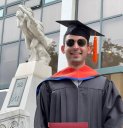
Abbas Khan
Graduate Research Assistant and Ph.D. Student at Florida Atlantic University (FAU), Florida, USA
Google Scholar
Linkedin Abbas Khan received his Master’s degree in Computer Software Engineering from Sejong University, Seoul, South Korea, in August 2022. He is currently pursuing a Ph.D. in Computer Science at Florida Atlantic University (FAU), USA, where he is also working as a Graduate Research Assistant. His research focuses on Computer Vision, building upon more than four years of experience in areas such as Object Recognition, Object Detection, Object Segmentation, and Image Quality Enhancement. His work aims to advance computer vision methodologies and develop impactful real-world applications.
Further details are available here.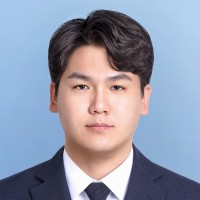
Sang II Yoon (윤상일) received his Master’s degree in Software Science from Sejong University, Seoul, South Korea, in August 2024. Since September 2024, he has been working as a Researcher at the Institute for Advanced Engineering (IAE), South Korea, where he is affiliated with the Group for Green Industry Intelligence at the Green System Industry Intelligence Center.
Further details are available here.
Su Min Lee / 이수민
Ph.D. Student at Pohang University of Science and Technology (POSTECH), South Korea
Su Min Lee (이수민) received her Master’s degree from Sejong University, Seoul, South Korea, in 2021. She is currently pursuing a Ph.D. at Pohang University of Science and Technology (POSTECH), South Korea.
Further details are available here.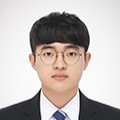
Ju Chan Park (박주찬) received his Master’s degree from Sejong University, Seoul, South Korea, in 2021. He is currently working as a Researcher at Avikus, South Korea.
Further details are available here.Hye Won Lee (이혜원) received her Master’s degree from Sejong University, Seoul, South Korea, in 2021. She is currently working as a Researcher at an Animal Digital Healthcare Company in South Korea.
Further details are available here.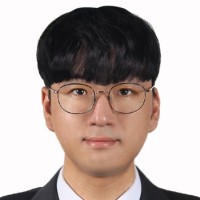
Chan Min Kwon (권찬민) received his Master’s degree in Computer Engineering (Software) from Sejong University, Seoul, South Korea, in 2021. He is currently working as an ML/Cloud Platform Engineer, specializing in DevOps and MLOps automation and Kubernetes-based infrastructure development. He focuses on solving complex infrastructure challenges and contributing to organizational growth through scalable and efficient cloud-native systems.
Further details are available here.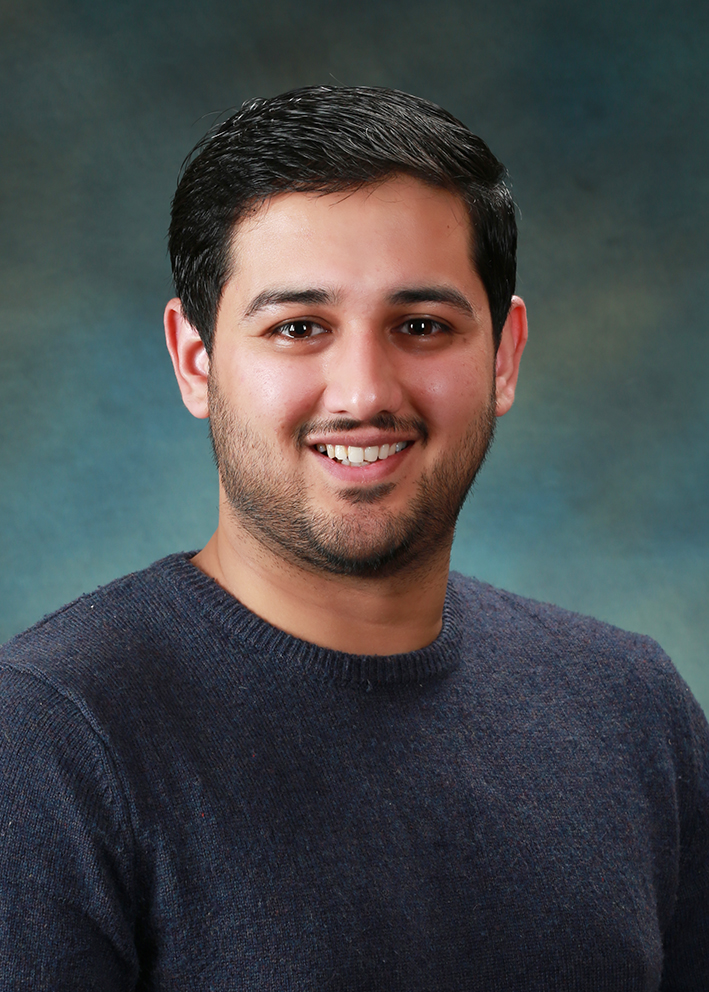
Salman Khan received his Master’s degree from Sejong University, Seoul, South Korea, in 2020. He completed his Ph.D. in 2023 at Oxford Brookes University, United Kingdom. He is currently working as a Research Fellow at the Visual Artificial Intelligence Laboratory, Oxford Brookes University. His research interests include action and activity recognition and detection, epistemic uncertainty, continual learning, surgical robotics, and fire and smoke detection and segmentation. He is committed to advancing the capabilities of artificial intelligence and addressing complex real-world challenges through collaborative research.
Further details are available here.Jun Ryeol Park (박준렬) received his Master’s degree from Sejong University, Seoul, South Korea, in 2019. He is currently working at Buzzni, South Korea.
Further details are available here.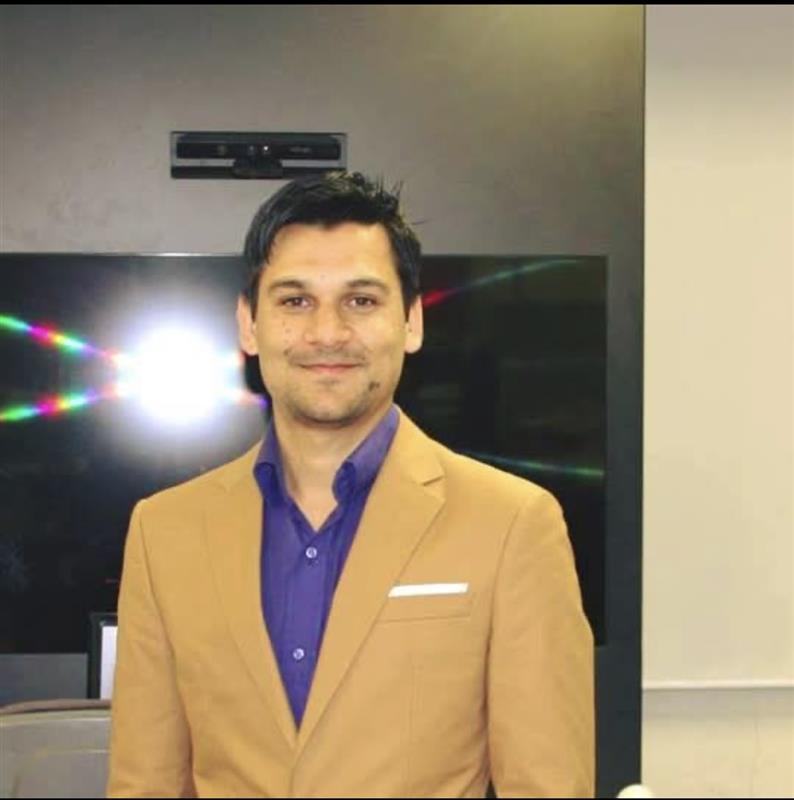
Nasir Rahim received his Master’s degree from Sejong University, Seoul, South Korea, in 2018. He also holds a B.S. degree from Islamia College University, Pakistan, and later completed his Ph.D. at Sungkyunkwan University, South Korea. He is currently working as a Postdoctoral Research Fellow at the University of Michigan, USA. His research focuses on deep learning, computer vision, and medical image analysis, including AI-driven intracranial aneurysm rupture risk prediction. His previous postdoctoral research at Gachon University, South Korea, involved developing deep learning algorithms for abdominal aortic aneurysm analysis in medical imaging. His broader research interests include explainable artificial intelligence, multimodal neuroimaging analysis, and disease progression modeling.
Further details are available here.Jeong Ho Park received his Master’s degree from Sejong University, Seoul, South Korea, in 2018. He is currently working at EHR&C, United States.
Further details are available here.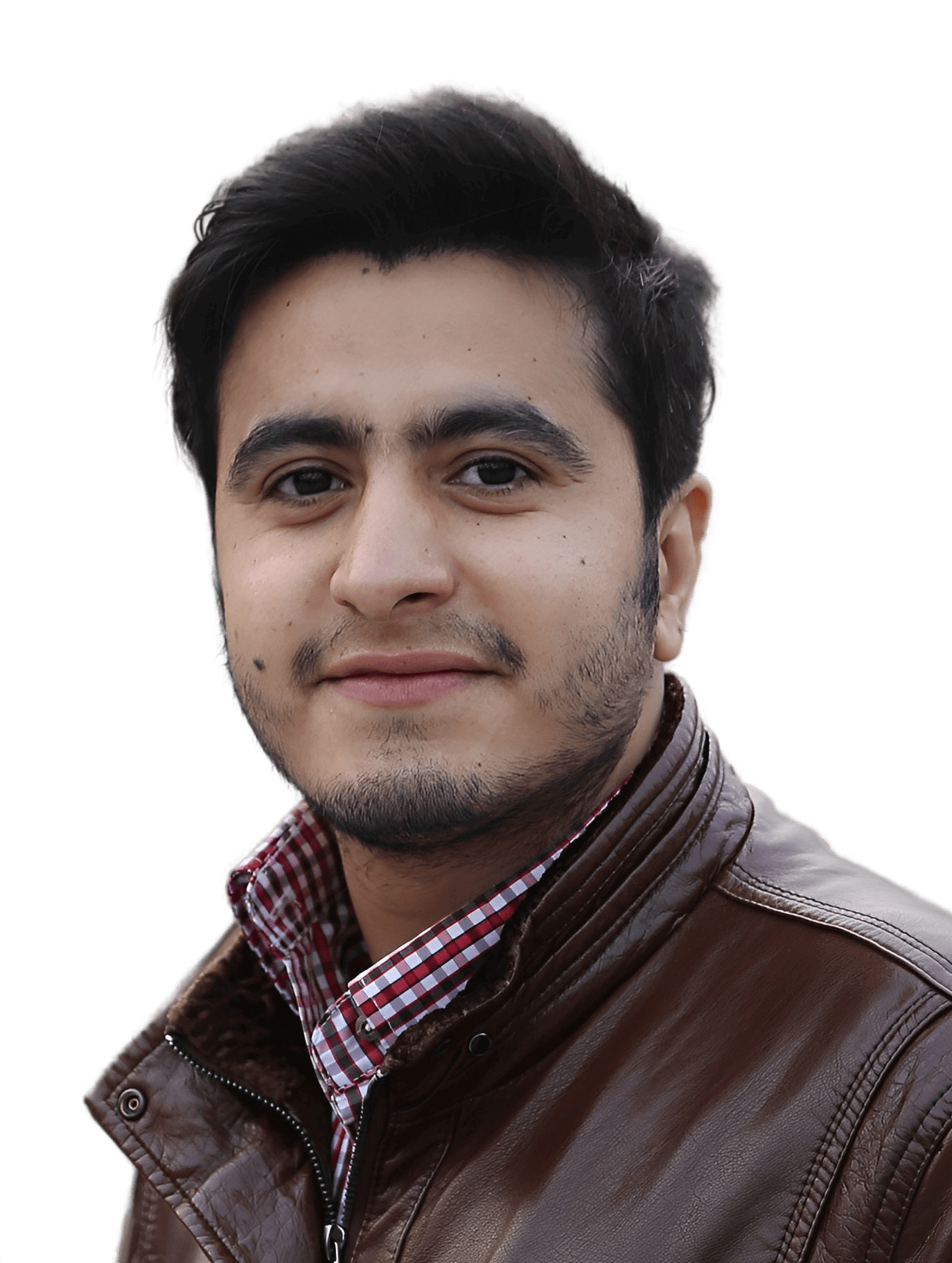
Abdul Malik Badshah received his degree in Computer Science from Sejong University, Seoul, South Korea. His dissertation was titled “A Study of Hand-Crafted and Deep Features for Speech Emotion Recognition.” He worked as a Research Assistant at the Digital Contents Research Institute, Sejong University, from September 2015 to August 2017. He is currently pursuing a Ph.D. at the University of Missouri–Kansas City (UMKC), USA.
Further details are available here.
Noor Ullah received his Master’s degree in Computer Engineering from Sejong University, Seoul, South Korea, in 2017. He is currently working as a Team Leader at Dabeeo Inc., South Korea. His professional interests include Machine Learning, Deep Learning, Big Data Analysis, Research and Development, and Web Application development.
Further details are available here.Jae Hyung Jeong (정재형) received his Master’s degree from Sejong University, Seoul, South Korea, in 2017. He is currently working at FODICS, South Korea.
Further details are available here.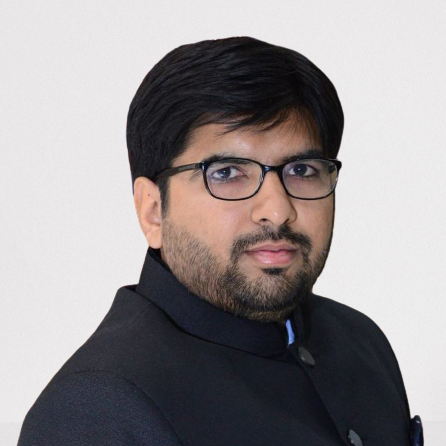
Mustansar Fiaz received his Master’s degree from Sejong University, Seoul, South Korea, in 2016. He is currently working as a Staff Research Scientist at IBM Research, Abu Dhabi, UAE. His research focuses on computer vision and deep learning, particularly visual–spatial and temporal perception with an emphasis on explainable AI. His work spans remote sensing, medical imaging, visual language models, and reinforcement learning, with a strong focus on real-world deployment and practical impact.
Further details are available here.
Fahad Rauf received his Master of Science (M.S.) degree in Digital Contents from Sejong University, Seoul, South Korea, in 2015. He is currently working as a Software Consultant at Stakater, Sweden.
Further details are available here.
Muhammad Azhar received his Master’s degree in Computer Science from Sejong University, Seoul, South Korea, in 2014. He later completed his Ph.D. at Shenzhen University, Shenzhen, China. He is currently working as a Research Professor at Chosun University, South Korea. His research interests include artificial intelligence and machine learning, particularly computer vision and data science. He has extensive experience in developing AI/ML-based systems and is passionate about advancing research and real-world applications in these domains.
Further details are available here.Jun Gyu Park (박준규) received his Master’s degree from Sejong University, Seoul, South Korea, in 2013.
Further details are available here.Kyung Il Kang (강경일) received his Master’s degree from Sejong University, Seoul, South Korea, in 2012. He is currently working at Miracom Inc., South Korea.
Further details are available here.Ho Cheol Choi (최호철) received his Master’s degree from Sejong University, Seoul, South Korea, in 2012.
Further details are available here.Beom Seok Lee (이범석) received his Master’s degree from Sejong University, Seoul, South Korea, in 2012. He is currently working at Hyundai HDS, South Korea.
Further details are available here.Seong Guk Kim (김성국) received his Master’s degree from Sejong University, Seoul, South Korea, in 2011. He is currently working at Salted Venture, South Korea.
Further details are available here.Kyeong Deok Woo (우경덕) received his Master’s degree from Sejong University, Seoul, South Korea, in 2010. He is currently working at LG Electronics, South Korea.
Further details are available here.Jeong Geun Woo (우정근) received his Master’s degree from Sejong University, Seoul, South Korea, in 2010. He is currently working as a Manager at SK COMMS, South Korea.
Further details are available here.Yeo Jin Song (송여진) received her Master’s degree from Sejong University, Seoul, South Korea, in 2009.
Further details are available here.Jae Hyuk Song (송재혁) received his Master’s degree from Sejong University, Seoul, South Korea, in 2009. He is currently working as a Principal Researcher at INFOBANK, South Korea.
Further details are available here.Jun Bae Lee (이준배) received his Master’s degree from Sejong University, Seoul, South Korea, in 2009. He is currently working as a Researcher at Telechips, South Korea.
Further details are available here.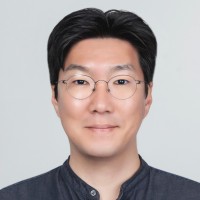
Moon Seok Jeong (정문석) received his Master’s degree from Sejong University, Seoul, South Korea, in 2008. He is currently working as a Team Leader at Tech Lab, South Korea.
Further details are available here.Chung Gon Kim (김충곤) received his Master’s degree from Sejong University, Seoul, South Korea, in 2008. He is currently serving as the CEO of CnDFactory, South Korea.
Further details are available here.Viet Thang Nguyen received his Master’s degree from Sejong University, Seoul, South Korea, in 2007.
Further details are available here.Young Ki Joo (조영기) received his Master’s degree from Sejong University, Seoul, South Korea, in 2006. He is currently working as a Principal Researcher at Samsung Electronics, South Korea.
Further details are available here.Sang Su Kim (김상수) received his Master’s degree from Sejong University, Seoul, South Korea, in 2006. He is currently working as a Researcher at Woori FIS, South Korea.
Further details are available here.Joo Sang Jo (조주상) received his Master’s degree from Sejong University, Seoul, South Korea, in 2006. He is currently working as a PM at SCANIA Finance (IT), South Korea.
Further details are available here.Exchange Students
Yakun Xie was an Exchange Student at Sejong University, Seoul, South Korea, in 2022. He is currently working as an Assistant Professor at Southwest Jiaotong University, China.
Further details are available here.Khinkhin Win was an Exchange Student at Sejong University, Seoul, South Korea, in 2007.
Further details are available here.